
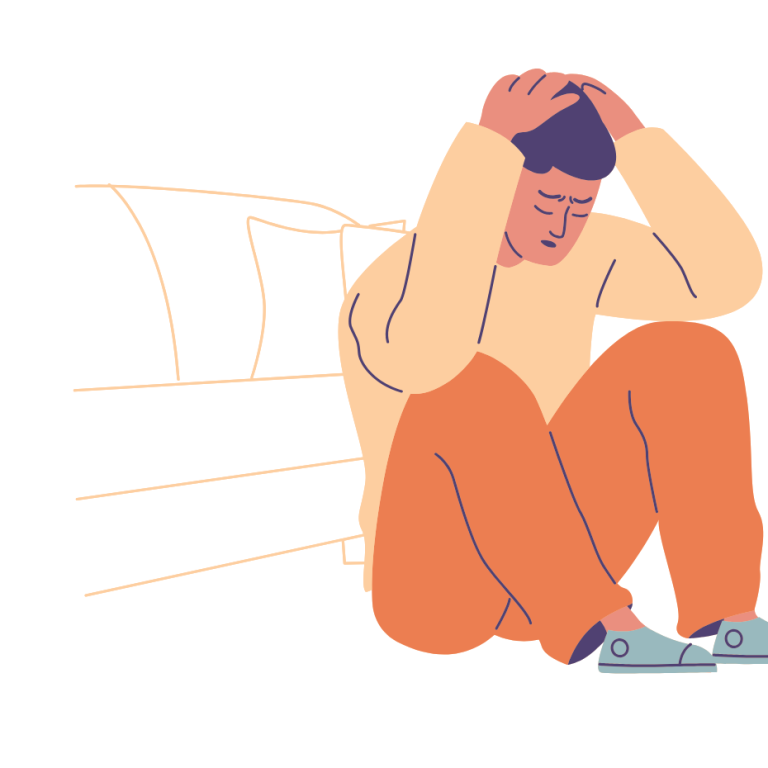
Is your work leading to burn out?
Why working in performance and events may be adding pressure to your mental health.
There’s a particular kind of magic in working in events or as a performer. The lights come up, the room hums with anticipation, and for a moment you remember exactly why you go into this work in the first place. Your skills brought this to life. But in the lead up to the show, and in the aftermath, I've found that many professionals are quietly carrying a very different story.
If you’re feeling burned out, under pressure, or like the joy has slowly drained out of work you once loved, you’re not alone. In fact, I've noticed quite a few of my clients have had roles as performers or otherwise within the events industry. They still love elements of the work- there's always that moment their face lights up as they explain how they found their passion- but it's also taking its toll. This doesn't have to be the end- you don't have to give it all up- but it's important to notice how the realities of the job affect your mental health, and ensure you have the support you need in order to stay healthy, and feel like yourself!
After all, what people outside the industry don't always realise, is that there are a lot of additional pressures to this line of work. Immovable deadlines are a constant. An event date doesn’t get pushed back because you’re exhausted. The show must go on, regardless of how you’re feeling. That pressure can create a chronic state of urgency, which is when many people develop an inability to simply rest. And setting boundaries in these industries can feel almost impossible. When opportunities are competitive and reputations matter, saying no can feel risky. You might worry about losing work, letting people down, or falling behind. So you say yes again and again until your time, energy, and well being are stretched thin.
Then there’s performance anxiety. Whether you’re on stage, managing a production, or delivering for clients, there’s an expectation to get it right, every time. Even experienced professionals can find themselves battling self-doubt, adrenaline crashes, or the fear of being judged. Add in ever-changing working conditions and expectations, and it can feel like you’re aiming at a moving target. What worked yesterday might not be enough today. Clients, audiences, and industries evolve quickly, the budget is always shifting, the director's mind changing, and the pressure to keep up can be relentless. In this line of work, is keeping up even enough? You need to shine!
And, of course, sometimes it's all canned. After all the work you put in, events outside your control mean the project is over and you're job hunting once more. Financial insecurity is no small concern, especially in today's economy. Freelancers are familiar with the pressure of always wondering what's on the horizon, but that doesn't make it easier to manage.
No wonder so many are feeling the pressure to the point of burn out and mental health crisis. Unfortunately, research indicates that the UK events and entertainment industry faces a significantly higher risk of suicide compared to the national average. Musicians, actors, and entertainers are among the top five at-risk occupational groups for suicide in England, and a survey of event professionals indicated that 40% rated their stress levels at 8 or higher on a 1-10 scale, driven by high workloads, long hours, and lack of control.
It's important to reflect on how we can combat this, so that we protect ourselves and reduce the risk of losing more friends. At the end of the day, mental health is still infrequently discussed in many circles, and often people feel they don't want to risk killing the mood or losing their reliable reputation by sharing that they've been feeling low. But there's an additional concern for those in this industry, being away from home.
For many, travel and displacement are just part of the job. But being frequently on the move can disrupt routines, relationships, and any sense of stability. It's one thing to know you should have a social life and a work life balance, and another to live and breathe your job, mainly speaking to other professionals, and only having a hotel room to retreat to at the end of the day.
And yet, many professionals in these fields feel they should be able to handle it. That pressure to 'just cope' can make it even harder to acknowledge when support is needed. But you needn't wait until you completely burn out to access support- in fact, it's much easier to combat these issues if you catch them earlier. There's no such thing as accessing therapy 'too early'.
Support is available, even with a demanding and unpredictable schedule. Counselling isn’t just for moments of crisis. It can be a space to pause, reflect, and make sense of what’s happening beneath the surface. And importantly, it can fit around your life, even in such a demanding industry. Online therapy means you can access support whether you’re at home, on tour, or between events. You only need a private space and access to the internet.
Here are some of the ways that I've worked with clients to reduce the risk of burn out:
- Encouraging clients to understand their limits and recognise early warning signs. Together, we can better understand what works for you in terms of anxiety and stress management, and what elements of this you can bring to even the most high pressure environments.
- Rebuild a sense of stability even when your environment is constantly changing. We consider what stays the same, what grounds you, and what important values you stay true to in order to continue to feel authentic with so much out of your control.
- Explore boundaries- what they mean to you and how they can be introduced to different areas of your life.
- Reconnect with what matters to you, beyond external expectations. Learning to live more authentically and less to others' standards is a fundamental part of the counselling journey. It's not always easy, but you didn't get this far without rising to a challenge.
- Process feelings of disillusionment or low mood, especially if the work no longer feels the way it once did. Validation can go a long way, as can simply speaking to someone impartial, who is giving you their full attention and support without requiring any support in return.
Perhaps this is in fact the most important thing to know, that counselling offers a consistent space that isn’t demanding anything from you. No deadline, no performance. Just room to be human.
It is possible to stay in a career you care about without sacrificing your mental health. That might mean making changes, or it may be more of a perspective shift, a grounding reminder of why you got into this work in the first place, a space to recharge instead of show up. It's not just about how to keep going, but how to feel like yourself again while you do.
If you’ve been feeling stretched, flat, or quietly overwhelmed, it’s worth paying attention to that. Big emotions can hide behind disconnection- doom scrolling instead of calling home. You don't need to be alone with this. Support is here.