
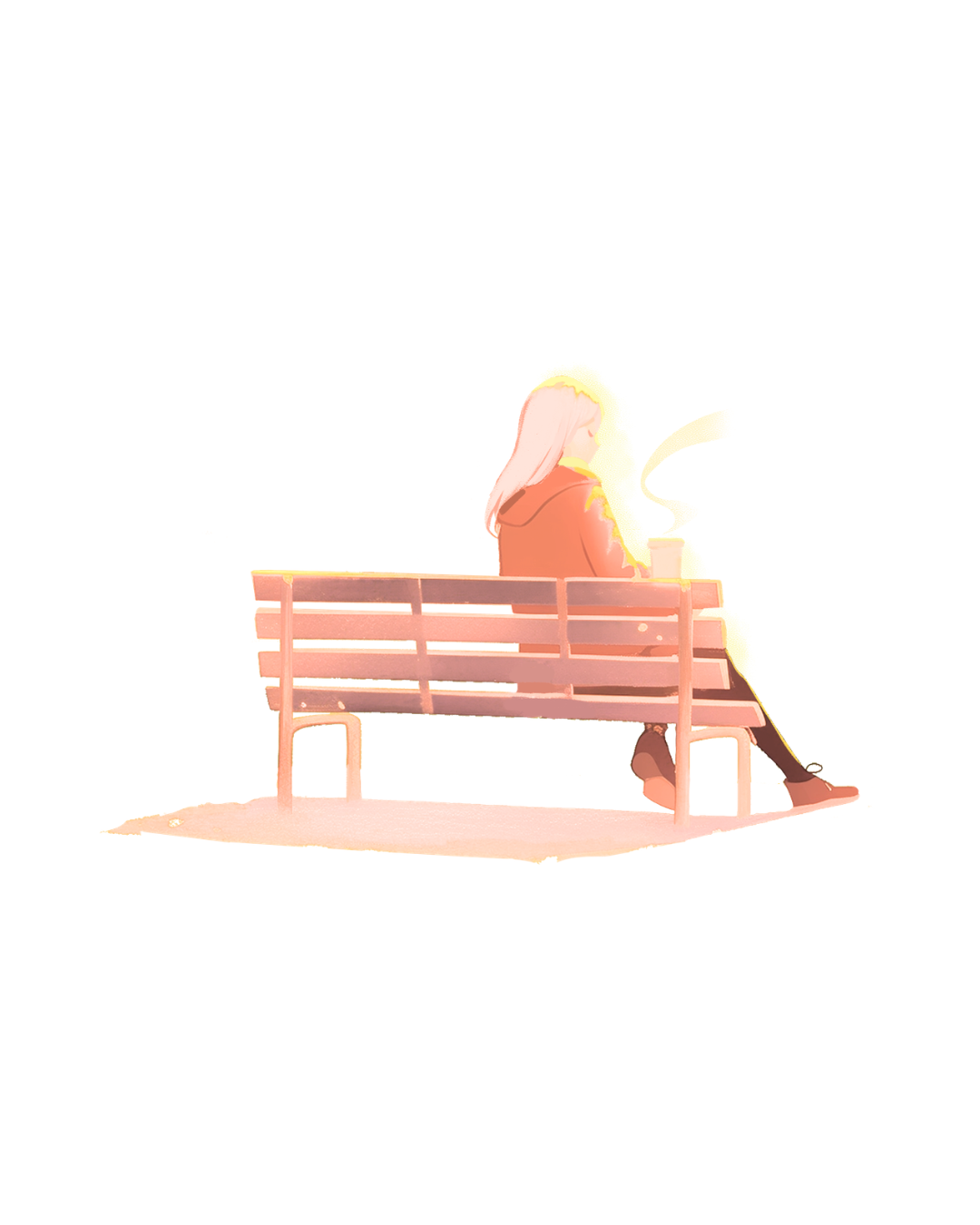
How loss affects our identity
There are many types of loss, from grief to divorce, job loss or really any change in circumstances that profoundly affects you. How we process this loss can also change how we see ourselves. Our sense of self can shift massively with a single event outside of our control.
When we realise that we don't understand ourselves anymore, this feeling can be very upsetting. You may not know what goals you have, or what interests you. You may be questioning your past choices and values. You may feel like you're having a 'mid-life crisis', unsure whether you're on the right path in life. This can happen at any time, but often shows up after some form of loss. Loss prompts us to re-evaluate our lives.
"I don't know who I am anymore"
Many people who have this thought also experience a sense of isolation and stress or shame about their situation. But the truth is that most of us will go through numerous life events that may affect how we view ourselves, and whilst this is a part of life, if you find yourself struggling to reconnect with your sense of self, it is possible to get support.
One of the main benefits of counselling is a better understanding of yourself. This self awareness promotes healthy relationships, creation of a balanced lifestyle, a sense of purpose in life and the ability to live more authentically, with confidence. Acceptance of yourself is a vital step and yet one that many people struggle with because we learn many lessons early in life about how people are 'meant' to be, and if you don't fit that box anymore then offering yourself compassion can be really tough. Having the unconditional positive regard of a counsellor goes a long way to supporting your growth in this area.
How does grief affect your identity?
It's not unusual to feel that you completely lose your sense of identity when you suffer a loss, and the most painful form of loss is grief.
If you were a caregiver to someone you lost, or on the flip side, financially dependent on them, the loss of someone you love is not only going to affect you emotionally but immediately change the practical day to day of your life. This is an obvious way in which your identity may have to change, in addition to processing the fact that they are no longer around. Trying to pick up the pieces of our lives after grief impacts your role in life can be hard to process.
Perhaps you have to figure out how to parent alone now, or fix something in the house that they would have taken care of. Perhaps you are at a loss how to spend your time now you don't need to care for them round the clock. Perhaps you're worried about how to support your family without them. All of these primary concerns can actually delay the process of grieving as we need to feel secure in our situation before we can safely let emotions out. It can also complicate the feeling of loss, incorporating other emotions in like anger and disappointment in addition to sorrow.
How job loss can impact your sense of self
If you saw yourself as a capable, confident breadwinner, climbing the career ladder, or if your job was something you were proud of, that you felt defined the type of person you were, then the loss of that job can impact your sense of identity. Plus, if you then have to rely on a partner's income or universal credit to get by, that's going to change how you see yourself as well. You may have had preconceived notions about people who needed financial support that you now have to unlearn. You might feel angry, depressed, lost, anxious or stressed all the time. This is not unusual but can impact the relationships you have with people around you and it's wise to get support.
Retirement is another form of career loss, despite often being planned and prepared for years in advance. Having spent a lifetime focused on earning money, promotions, social dynamics in the workplace, improving your skills and balancing your life around it, suddenly that's all gone. It can feel less like an exhilarating new step and more like a free fall off a cliff. And yet, it can be hard to find people who relate, if you're surrounded by people still working, or those who are content in their retirement while you're itching to be busy, to be needed, to feel important. It's not shameful to have these thoughts and feelings but it can feel isolating if you don't find a safe space to talk about it.
How becoming a parent can affect your identity
A little discussed type of job loss is when a parent leaves work to care for a child. Whilst this may be a conscious decision, made for positive reasons, it's still a change that can impact how you see yourself. Where you used to spend all day with adults, feeling productive and knowledgeable, you might now feel lonely, cut off, inexperienced, and unable to make progress in other areas of your life.
A new parent might recognise feeling like their life is on pause while they focus on their young child, and working to create a balance that allows you time to feel more like yourself, to pursue your interests, is really important in maintaining positive mental health. This is not always easy, and friends may not understand your emotions around it if they haven't been there themselves. Speaking with other parents, getting yourself to social groups, can offer validation and empathy.
Other struggles of learning to be a parent, managing exhaustion, discovering new reserves of inner strength and patience, feeling your heart strings tied to this vulnerable bundle living outside your body, can also impact your identity. You might dress differently, never leave the house without a pram and backpack, have to juggle what used to be simple tasks, lose confidence in yourself or your relationship. These are all areas that counselling can support you with and it's totally understandable to need it- after all, there are no lessons in how to be yourself whilst figuring out how to raise another human.
Feeling lost without the relationship
If you saw yourself as half of a whole, should that partner leave it's natural to feel incomplete or struggle to separate what feels genuinely just you, to what interests you pursued as a couple. It can take time and distance to recognise how your emotions and behaviours changed when you were in the relationship, and what elements are personal growth and which can be cast aside.
Sometimes, when we're in a relationship it can become all consuming. Wondering what that special person is thinking and doing all day can mean we lose track of our own needs and desires. Having that person removed from our lives can be incredibly painful, but ultimately can be used for beneficial personal growth.
Lastly, if the end of the relationship came with the revelation of lies and manipulation, you are more at risk of your sense of identity being shaken. Or if that loved one spoke to you about how they saw you as a person, whether during the relationship or during the break up, that perspective is likely going to stick in your mind for a while, whether you agree with it or not, because you care about them and their opinion. Eventually you will be able to separate your views on the dynamic from theirs but having an impartial third party like a counsellor support you gaining perspective can be incredibly helpful.
How separation and divorce impacts the whole family
Of course, the relationship that ended may not even be your own. Separation can affect the whole family, dividing households and causing relocation. Whilst it's not uncommon for some couples to wait until their children are out of the house before separating, even adult children of parents who separate may view themselves differently depending on how it impacted them and their perspective of their childhood years.
Whether you needed to start a new home, split your time between different sides of the family, or host multiple Christmas events, the strain can be a lot, and how your relationships with those people change can also affect how you see yourself. We all change throughout life, and separations cannot always be avoided for the happiness of the couple in question as well as their family. Having to learn to communicate through it can be tough, and some may flat out refuse to speak anymore. If you are feeling lost, misled or manipulated in the fall out, it can feel like your identity itself is called into question, and speaking to someone impartial about it can help.
I'm not whole anymore
A health scare, loss of mobility or other change in circumstances around your physical well being can also be a loss that impacts your sense of self. Whilst some people may feel lucky or positive about their new lifestyle depending on the circumstances, it's also very natural to feel upset at having to rely on the care of others if you're used to being the strong one. Your new identity may involve disabled badges, having to stand up for your rights at work, leaving work entirely, or having to re-learn how to move or care for yourself.
These are major changes that anyone would struggle to accept and it's okay to have feelings of anger around changes outside your control. It's when negative emotions start to impact your relationships and how you view yourself that it can become very detrimental to your well being. Seeking support for your mental health may seem like yet another thing that you now need support with, but it can help build back that feeling of being capable, that means you can deal with the practical matters more effectively, and be happier in yourself long term.
Loss of dreams
This is not an all inclusive list of loss- that would go on for days, but there's one final type of loss that doesn't get talked about enough- the loss of the future you were hoping for, or the future you expected. Whatever caused the change of path you were on, whether it was due to your choices or someone else's, it's okay to mourn the loss of something that never came to pass, that you will not get to do.
It may be that part of grieving a loved one is realising that they will not be a part of your future, or your children's futures. It may be that choosing to start a family or relocate means giving up on a career you've worked incredibly hard for. There are changes within and outside your control that affect your future and it's okay to be both happy and upset, to miss someone and celebrate them.
We're complicated creatures, and unpicking the tangled web of emotions is all part of the counselling journey. Learning to accept yourself as you are can be life changing, and with support it is achievable. If you'd like to find your inner peace, email me to book your first session, at hannahpurdiecounselling@gmail.com