
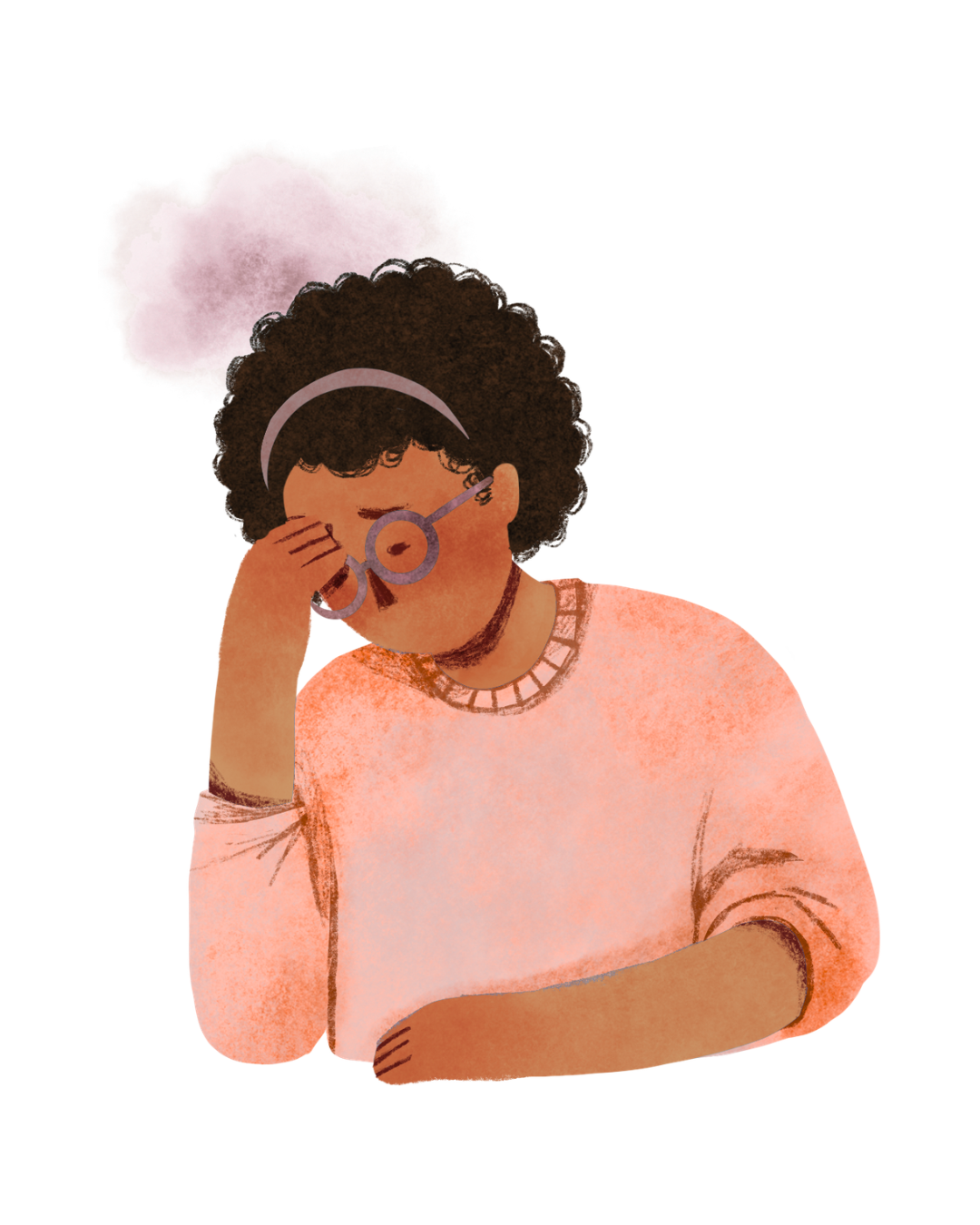
Overwhelmed Parents, You Are Not Alone
I read somewhere, and I believe it's true, that our generation of parents are trying to be everything for our children that we didn't receive, whilst also healing our own childhood traumas. Add to that navigating social media comparisons and it's no wonder that so many parents these days are exhausted, overwhelmed, facing burnout and feeling like you've lost your sense of self. You're not alone. I know, that doesn't make it easier necessarily, but at least you can put down that fear that you're actually going mad and that you're the only one.
Don't get me wrong, some people seem to take to parenting like it's a job they were born to do. Some people's children sleep through the night and eat what they're given and bypass the terrible twos altogether. That's wonderful for them. Unfortunately, however, some people expect that should be everyone's experience of parenting and let's be honest, it's just not. You can set out with all the best intentions in the world and still end up run ragged, overwhelmed and disappointed in yourself.
I should be a better parent
That 'should' is a nefarious word. It slips into our vernacular without raising suspicions and causes all kinds of havoc with our hearts. The idea of what we 'should' be comes from the messages and values we unconsciously absorbed in our formative years, and often it takes a great deal of unlearning to unwind those knots we made and correct these notions.
For a start, at the time we internalised these ideas, we probably were not getting a clear message at all, but one we were interpreting. I'll give you an example: my mum never sat me down and told me that a good mother loses all sense of identity of her own and dedicates her life to her children. However, I found that was a narrative that I had to unpick in my own therapy. Where did it come from? Well, my view of my mum growing up was that she was always there for us. She didn't do much for herself but bent over backwards to make sure we had everything we need. She was a great parent, but as I developed, I'd clearly unintentionally absorbed the idea along the way that when I became a mum my personal life was over. Over night, my world started to revolve around my child, and, sure, part of that is biological for a baby's survival, but I took it to extremes. And I'm sure I'm not the only one.
One of the most important activities we do in counselling is start to notice when we use words like 'should' and unpack what that actually means for us. Where did that message come from and do we truly believe it? Is it working for us or would a more compassionate angle on it support us better moving forward? It is possible to re-write these internalised values, with support from someone honest, warm and caring.
What to do when parenting is overwhelming
Parenting can become overwhelming at any time and let's face it, life doesn't stop just because you're a parent- you still have all the other stresses that predated your children, you just carry a load more now because the house is always untidy, there's a million chores to do, the mental load for the family seems to have quadrupled per child and you're only one person trying to be it all.
Firstly, as a counsellor, I'm not here to give you practical advice. You know your situation and what is possible way better than I do. Where a coach would talk you through creating a routine, stress relief techniques and how to prioritise self-care, I approach the issue slightly differently. By working together to explore the situation you find yourself in, supporting you to find your confidence, improve your self esteem, work on communication skills, and throw some old 'should's in the bin, you can become someone who can manage the situation that currently has you crumbling. And guess what, my clients who re-build their sense of self, who experience compassion towards themselves, also start to prioritise their self care, and build a routine around reducing stress.
The most exhausting time for parenting
Everyone's experience of parenting is different, so for some people, the first three months of becoming a parent is the hardest challenge, because your whole life changes. For others, it's when your child hits two, or reaches school age with the traffic and the uniforms and the homework. Or perhaps your kids are now, impossibly, teenagers with personalities that seem to dominate the house and have you walking on eggshells. I remember not realising beforehand that the transition from one child to two was akin to having a part time job that kept you busy to working 100 hour weeks in a stress factory. But that was my experience, others vary.
Parenting also changes depending on your child. This is why some people claim boys are so much harder work than girls or vise versa. The kind of child you get makes a big impact on the kind of parent you are. You go into having each child with a different amount of energy, health, head space, stress, but the way they act also changes the parent you are- impatient or sympathetic, calm or overstimulated to the max.
This is why it's so important to remember that everyone's parenting experience is unique, and why in counselling I never assume that I know what someone is going through. I want to hear it from you, to understand your journey. It's another reason why a counsellor doesn't advise their clients what to do. Talking to your friends can be great for getting advice or their perspective, but their parenting journey wasn't the same as yours, so be kind to yourself and take it all with a pinch of salt.
The healthiest parenting style
We all aspire to be great parents, don't we? Or, at least, no one sets out to be a terrible one. So it's natural that the question of what the 'healthiest' parenting style is should come up quite often. There are band wagons for 'gentle parenting' and '90s parenting' and lots of other styles that honestly probably look a little different household to household.
Here's my angle: the healthiest parenting style is a sustainable one, in which the parent is living authentically, modelling to their children that a) we all make mistakes but can work on fixing them and b) we can all continue learning and healing our whole lives. A parent who is trying to be something that feels unnatural, is already stressed. A parent who knows there's no such thing as 'perfect' but loves their kids and tries to make amends anytime things don't pan out the way they aim for, is more than good enough. A healthy parent is one who avoids burnout by setting boundaries, calling in support to ensure they can re-charge. A healthy parent raises a healthy child, by modelling balance, not just preaching it.
How to become a healthy parent? Start by prioritising your mental health, and then support your family's mental health. Learn about yourself, how to reflect on your feelings rather than acting out of a learned behaviour, how to break generational patterns. All of this is possible through our counselling work, and with support, you absolutely can get there.
Postnatal depression or burnout
I'll leave you with a final thought, which I hope will highlight the importance of creating balance in your life, to authentically uphold your boundaries where possible and cut yourself some slack where they're not.
When I had my second child, I was diagnosed over the phone with postnatal depression and prescribed anti-depressants. Thank you NHS. However, later I reflected on my experience and wondered if I wasn't just trying to be everything for my children, all day every day, with extreme sleep deprivation and poor communication skills. Again, just my experience and everyone's is different, but below are the symptoms for burnout and for postnatal depression. Without cheating and looking it up, could you tell which is which?
Key symptoms include constant, deep fatigue that sleep doesn't fix, emotional detachment or numbness toward children, increased irritability/snapping, a sense of failure, and reduced effectiveness
Key symptoms include extreme fatigue, inability to bond with the baby, irritability, sleeping problems (even when tired), and intense guilt or worthlessness
In both cases, and whichever you may feel you have, whether you've been officially diagnosed or not, counselling will support you. Whether you find medication helps or doesn't, or you don't want to take it, that's fine. Choosing your own path through this difficult time, one that feels right to you, is important and support is at hand.
Online counselling allows parents to access therapy from home, removing the commute time and costs, and making it a more flexible option to support you. Take an hour for yourself, once a week, and let's get some change going.
If you have any questions about any section of this article, please reach out using hannahpurdiecounselling@gmail.com